Chronic Pelvic Pain & CPPS Physical Therapy for Men in NYC
Pain in the pelvis, perineum, testicles, penis or rectum that has lasted for months, even after negative testing or unsuccessful treatments, is one of the most common reasons men come to Pelvic Lab. In some men, pelvic floor muscle tension, tenderness or poor coordination contributes to ongoing symptoms, and that is something physical therapy can assess and address directly.
What is chronic pelvic pain syndrome (CPPS)?
Chronic prostatitis/chronic pelvic pain syndrome (CP/CPPS) is a term used for persistent or recurring pelvic pain in men when active infection or another identifiable cause does not fully explain the symptoms.
Despite the name, the prostate is often not the main source. In some men, the pelvic floor muscles hold tension they can't fully release, and that tension can contribute to pain and other symptoms.
Common symptoms
Men with CPPS often describe some combination of:
Aching or pressure in the perineum (between the scrotum and the anus)
Pain in the testicles, tip of the penis, groin, lower abdomen or tailbone
Pain that gets worse with sitting
Urinary urgency, frequency, a slow stream, or a feeling of incomplete emptying
Discomfort with or after bowel movements
Symptoms that flare with stress, long workdays or intense exercise
Symptoms vary from person to person and often change over time. Many men have seen several providers before anyone looks at the pelvic floor.
Why the pelvic floor matters
The pelvic floor is a group of muscles that supports the bladder and bowel and plays a role in urination, bowel movements and sexual function. Like any muscle group, it can become chronically tight: from long hours of sitting, stress, guarding after an injury or illness, heavy training, or habits like holding urine.
When these muscles remain guarded or have difficulty relaxing, they can become tender and poorly coordinated. In some men, those findings are associated with pelvic pain, urinary symptoms and pain with ejaculation. A pelvic floor evaluation helps determine whether this muscular component is actually present rather than assuming every case of CPPS is caused by the pelvic floor.
How treatment works at Pelvic Lab
Treatment focuses on reducing tension in the pelvic floor and helping the muscles relax and coordinate normally again. Depending on your evaluation, care may include:
Hands-on manual therapy for the pelvic floor and surrounding muscles of the hips, abdomen and back, including internal treatment when it is appropriate and you consent to it
Breathing and relaxation training to help the pelvic floor let go
Movement and posture work that addresses sitting tolerance, training habits and daily patterns
A home program you can use between visits
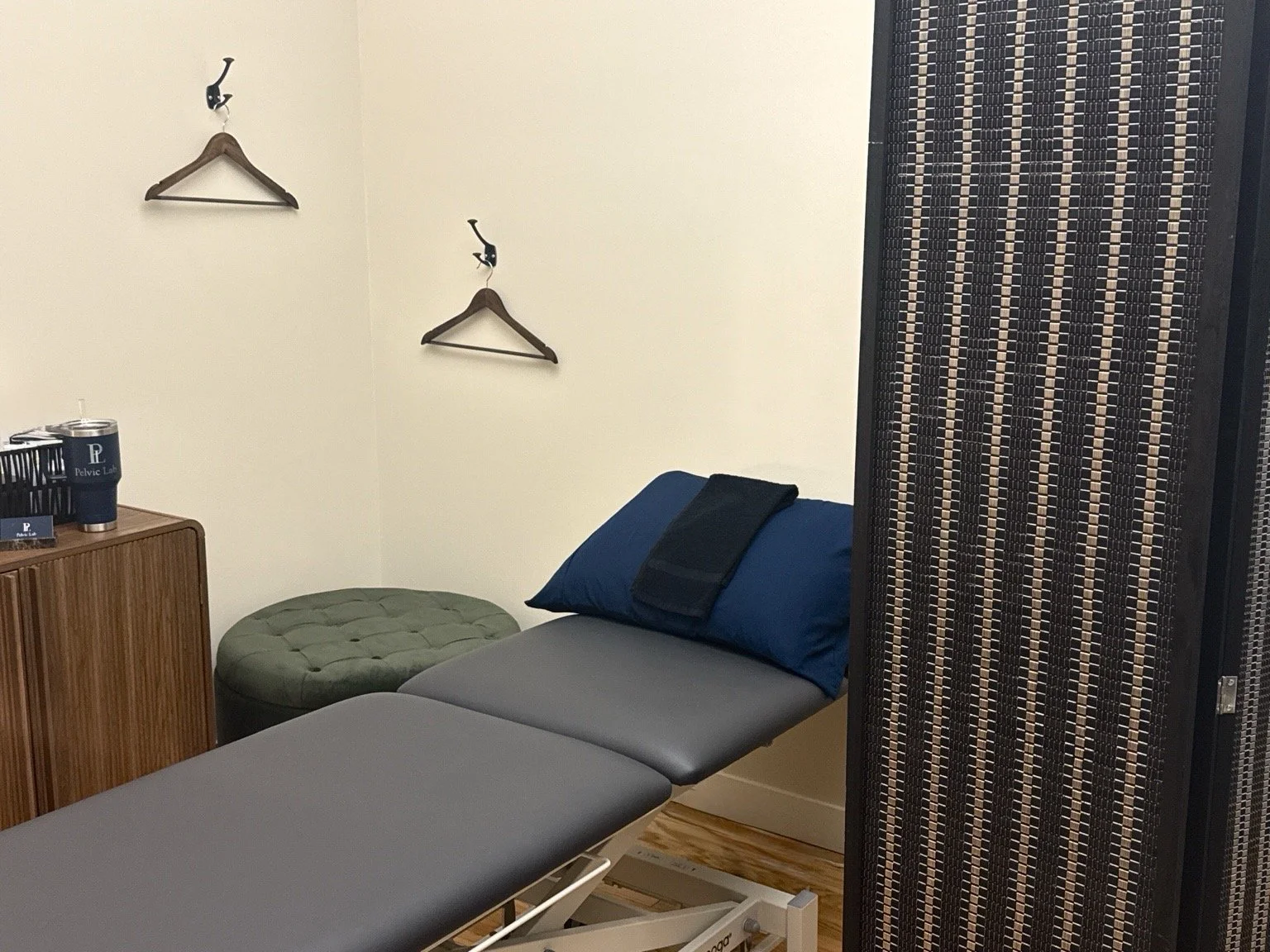
Every session is one-on-one with Dr. Joshua Weber, PT, DPT, in a private treatment room. Nothing is done without explanation and your agreement, and you set the pace.
What to expect at your first visit
Your first appointment is a 45-minute evaluation. We'll review your symptoms, medical history and previous treatments, talk through your goals, and complete a physical assessment to identify what is driving your symptoms. You'll leave with a clear explanation of what we found and a recommended plan of care.
Physical therapy works alongside medical care, not in place of it. If anything in your evaluation suggests you need to see a physician first, we will tell you and help coordinate that care.
-
In New York, you can see a physical therapist directly for a limited period without a referral. If you are already working with a urologist or another physician, we're glad to coordinate with them.
-
No. An internal assessment can provide useful information about the pelvic floor, but it is always optional. We'll explain what it involves and why it may help, and you decide. Effective treatment is possible either way.
-
Often, yes. Antibiotics are used when bacterial infection is present. In men whose infection has been ruled out or treated but pelvic pain persists, the pelvic floor and surrounding musculoskeletal system may be contributing to symptoms. Physical therapy evaluates and treats that component when it is present.
-
Pelvic Lab is a private pay practice. We provide a superbill you can submit to your insurance company for possible out-of-network reimbursement. Coverage depends on your plan.
-
It depends on how long you've had symptoms, what is driving them, and how you respond to treatment. We'll give you a recommendation after your evaluation and reassess it as we go.
Frequently Asked Questions
Specialized pelvic floor care for men in Manhattan
Pelvic Lab is located at 16 Madison Square West, Suite 1047, in the Flatiron District, across from Madison Square Park and near the 23rd Street N/R/W and F/M stations.